
Liquefied Petroleum Gas (LPG)
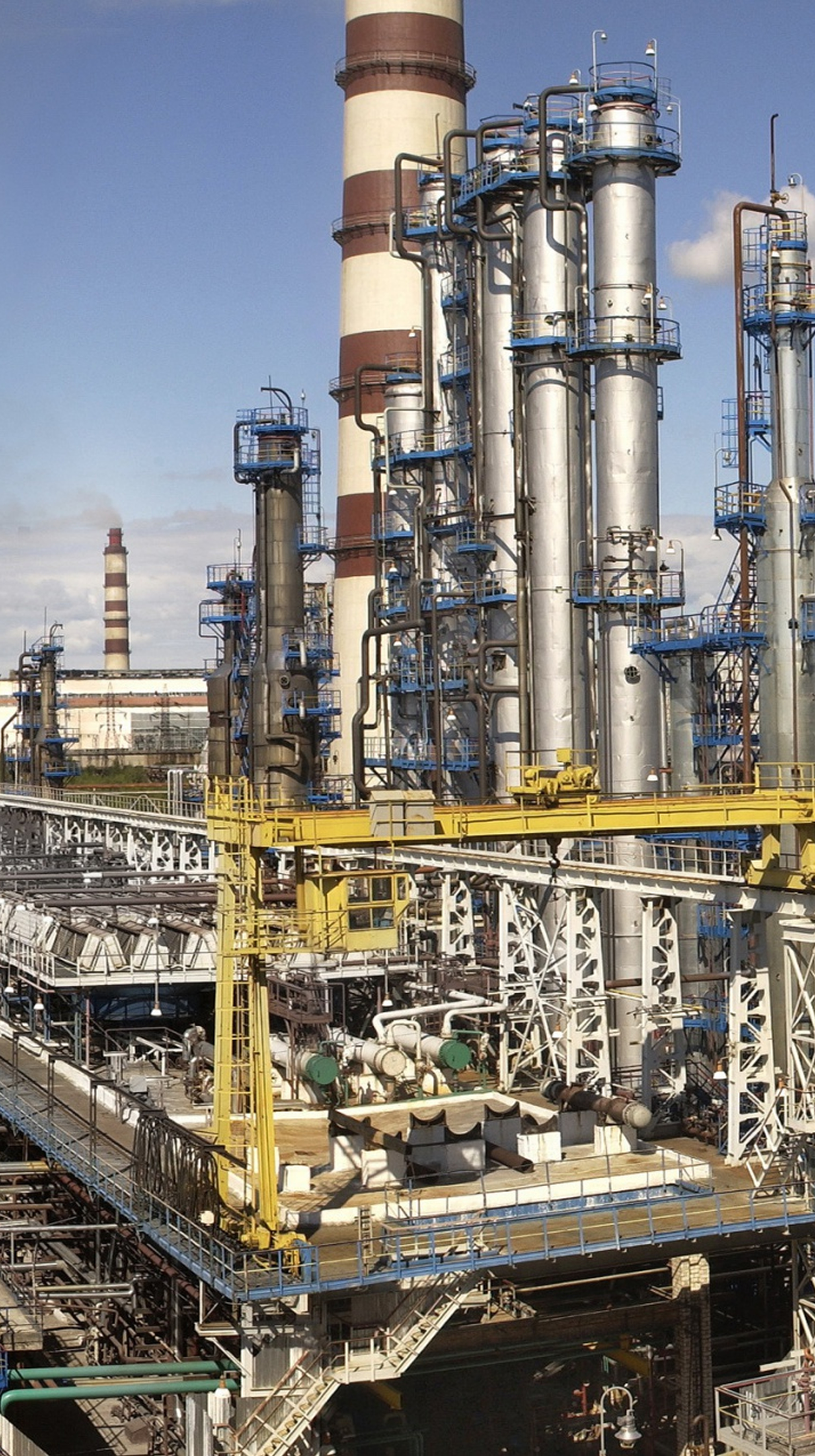
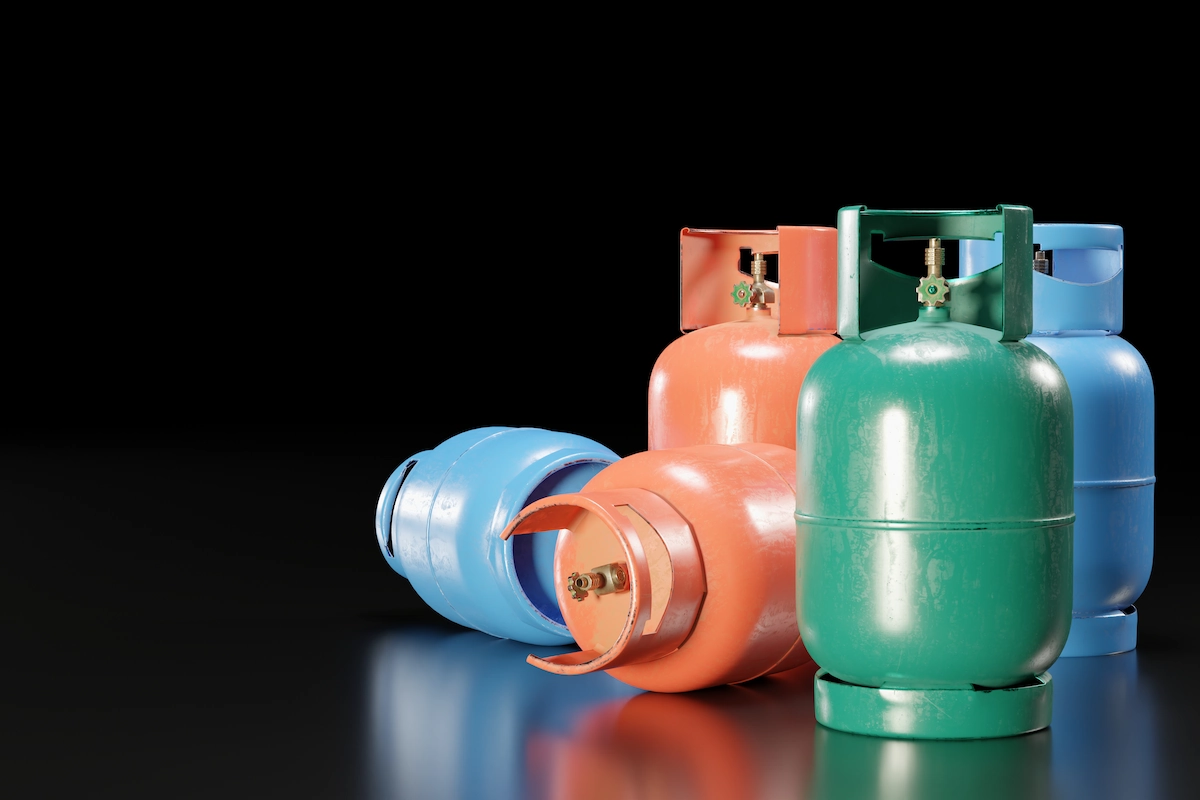
LPG (Liquefied Petroleum Gas) is predominantly propane and butanes, either segregated or in various ratios and mixtures of each product. LPG is a by-product of crude oil production (Associated Gas) and a by-product of natural gas production (Non Associated Gas). It is also a by-product of the refinery process, transported mainly in pressurised vessels.
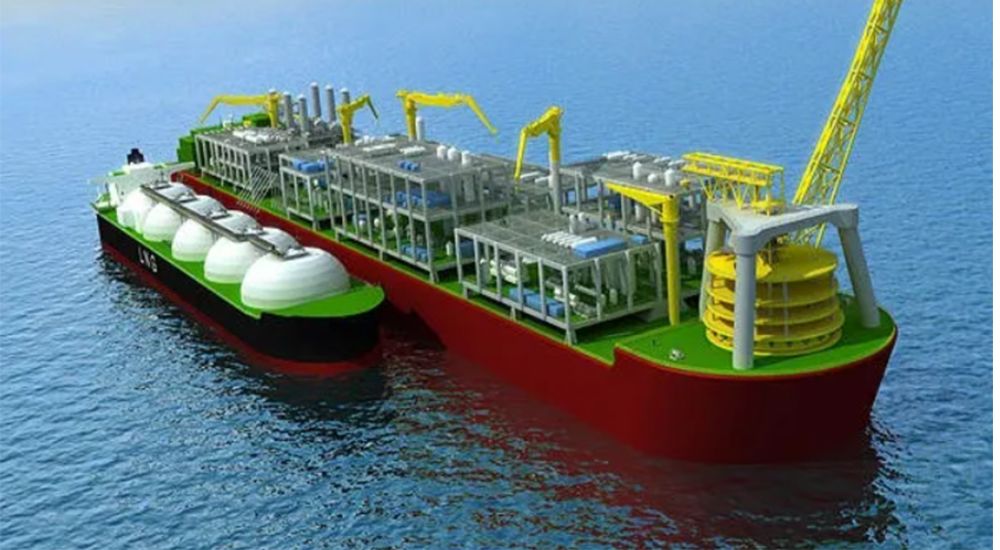
Associated and Non Associated LPG or NGL’s (Natural Gas Liquids) are shipped via pipeline in large quantities where possible, for example in the US, and via refrigerated VLGC’s (Very Large Gas Carriers) from, for example, the US Gulf Coast to Japan. As well as being a fundamental building block in the petrochemical process, LPG it also a convenient fuel used globally for domestic purposes; in the northern hemisphere, LPG is used for home heating, while in Africa it is used as a cooking gas. In some markets, LPG is also used as a fuel for cars (known as Autogas).
Liquefied petroleum gas or liquid petroleum gas (LPG or LP gas), also referred to as simply propane or butane, are flammable mixtures of hydrocarbon gases used as fuel in heating appliances, cooking equipment, and vehicles.
It is widely used alternative fuel. It has substantial reserves due to its dual origins from natural gas processing and crude oil refining. Liquefied Petrol Gas (LPG) powered passenger cars have about 10% lower tailpipe CO2 emission than comparable gasoline powered cars. When compared to a diesel car, there is no significant CO2 emission reduction per km driven; however, LPG powered vehicles do have substantially lower NOx emissions than diesel powered vehicles.
Service overview
Demand for LPG is increasing as a fuel for heating and running vehicles, aerosol propellant, and refrigerant. Whether you are involved in production, processing, distribution, transportation or storage, you need expert support to ensure operational efficiencies are maintained.
We offer comprehensive LPG testing and cargo inspection services for all stages of the supply chain – from ships, storage tanks, chemical plants and refineries to pipelines and oilfields. Our proven testing and field expertise covers laboratory testing, inspection, loss control expertise, and other value-added service supports. All analysis is conducted against ASTM, ISO, GPA and other recognized industry standards.
Wherever you operate in the world, our network of experts is on hand to support your LPG supply chain. Through our Global Gas Technical Center, we can provide technical oversight, covering specialist calculation advice, plant start-up operation, contamination and troubleshooting. All test samples are processed rapidly and safely by our global network of state-of-the-art testing facilities.
We provide exclusive, patented, and innovative liquefied gas value-added sampling and measurement technologies for use during crucial LPG cargo custody transfer operations. Robust solutions include:
- Rosneft-Shell Caspian Ventures Limited portable LPG analysis instrument: real-time quality analysis via state-of-the-art gas chromatography. The instrument can measure light hydrocarbons in remote, tight spaces, and dangerous locations
- EcoSampler liquefied gas sampling system: for C3 to C6 hydrocarbons. Replacing older manual methods which require atmospheric venting, the EcoSampler pulls a representative sample and eliminates the need to vent sample gases
More Reasons to Choose Us!
- Increasing refining throughput by 40%
- Building new petrochemical processing facilities
- Installing advanced FCC (fluid catalytic cracking) units
- Enhancing power efficiency with waste heat recovery systems
- Sustainable Refinery Upgrade
- Deepwater Drilling in the Caspian Sea
Our core focus resides in oil exploration and production, predominantly concentrated within nascent stages of development across several oilfields. Get A Recommendation